Services

Court resurfacing in Utah that restores true play

Refresh color, fix wear, and extend the life of your court with manufacturer-spec acrylic systems, not a thin paint job that fails in a season.

Start here

Resurface or rebuild?

UV, weather, and play break coatings down. Colors fade, texture goes chalky, and ball bounce gets unreliable long before the slab itself is done.

Resurfacing fits

The slab is sound, the surface is worn

  • Faded or chalky color, soft grip, tired lines
  • Surface cracks that can be properly repaired before new coats
  • Drainage is acceptable

We assess the existing foundation, repair what needs it, then rebuild the coating stack with proper primers, texture, and finish coats. Lines go back crisp and regulation-true, so the court looks new and plays like it again.

Look deeper first

The problem is under the coating

  • Heaving or settling slab, edges that lift
  • Cracks that run through the concrete itself
  • Chronic pooling or a base never built for court loads

New coating will not fix movement underneath.

Timing

Signs it’s time

  1. Faded or chalky color that hurts visibility

  2. Hairline cracks, birdbaths, or rough texture

  3. Lines that are worn, wrong, or out of date for the sports you play

  4. Every 4–8 years as planned maintenance, before the slab needs bigger repair

Process

How court resurfacing works

  1. 01

    Assessment

    We walk the slab, map cracks and low spots, and confirm the base is sound enough to coat, or call for deeper repair first.

  2. 02

    Prep & repair

    Pressure wash, grind or patch failed areas, and treat cracks so the new system bonds cleanly.

  3. 03

    Coatings

    Primer, texture, and finish coats applied in the right weather window with manufacturer-spec dry times between layers.

  4. 04

    Lines & handoff

    Regulation striping for your sport(s), optional color refresh or custom zones, then a play-ready walkthrough.

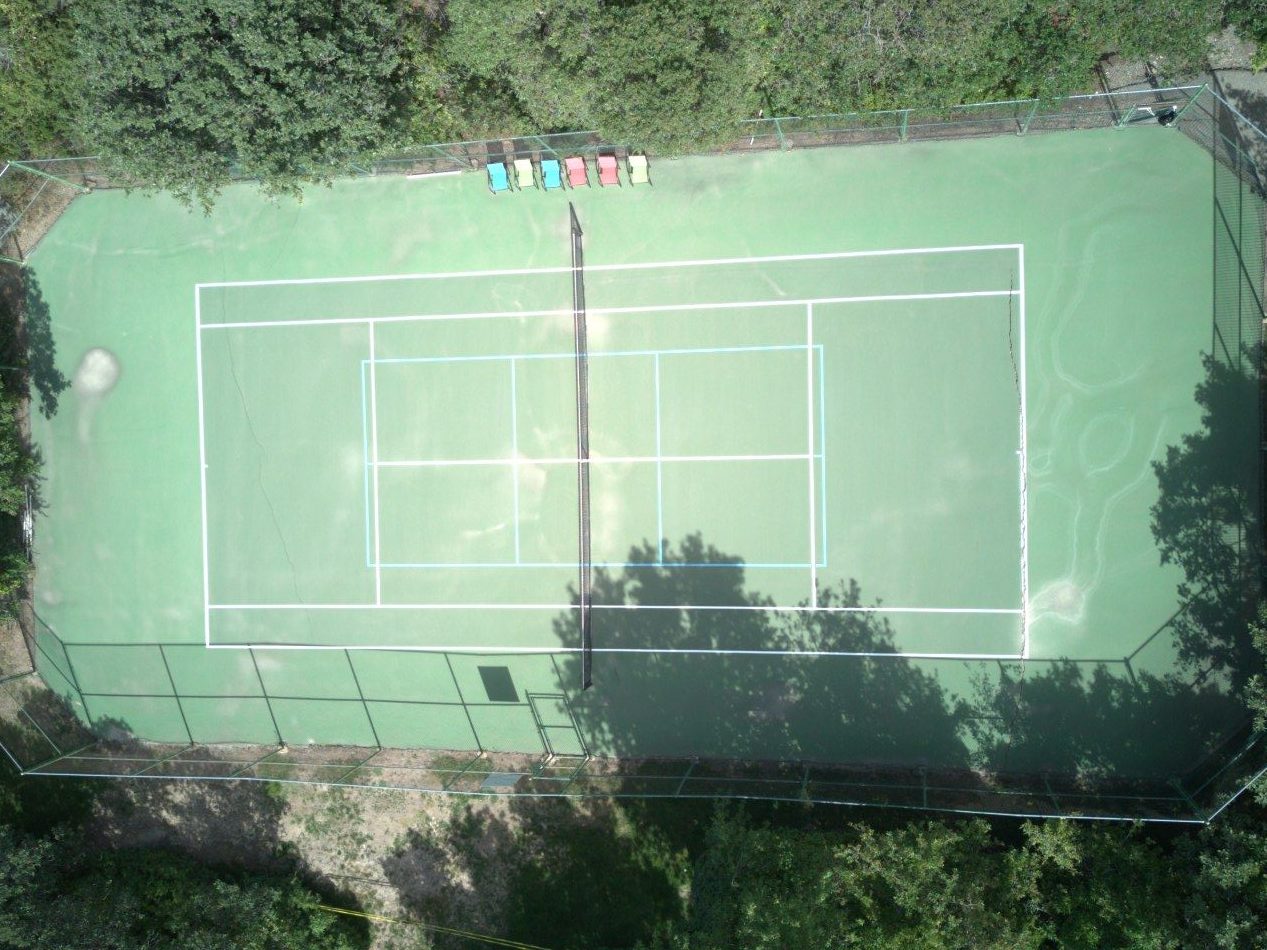
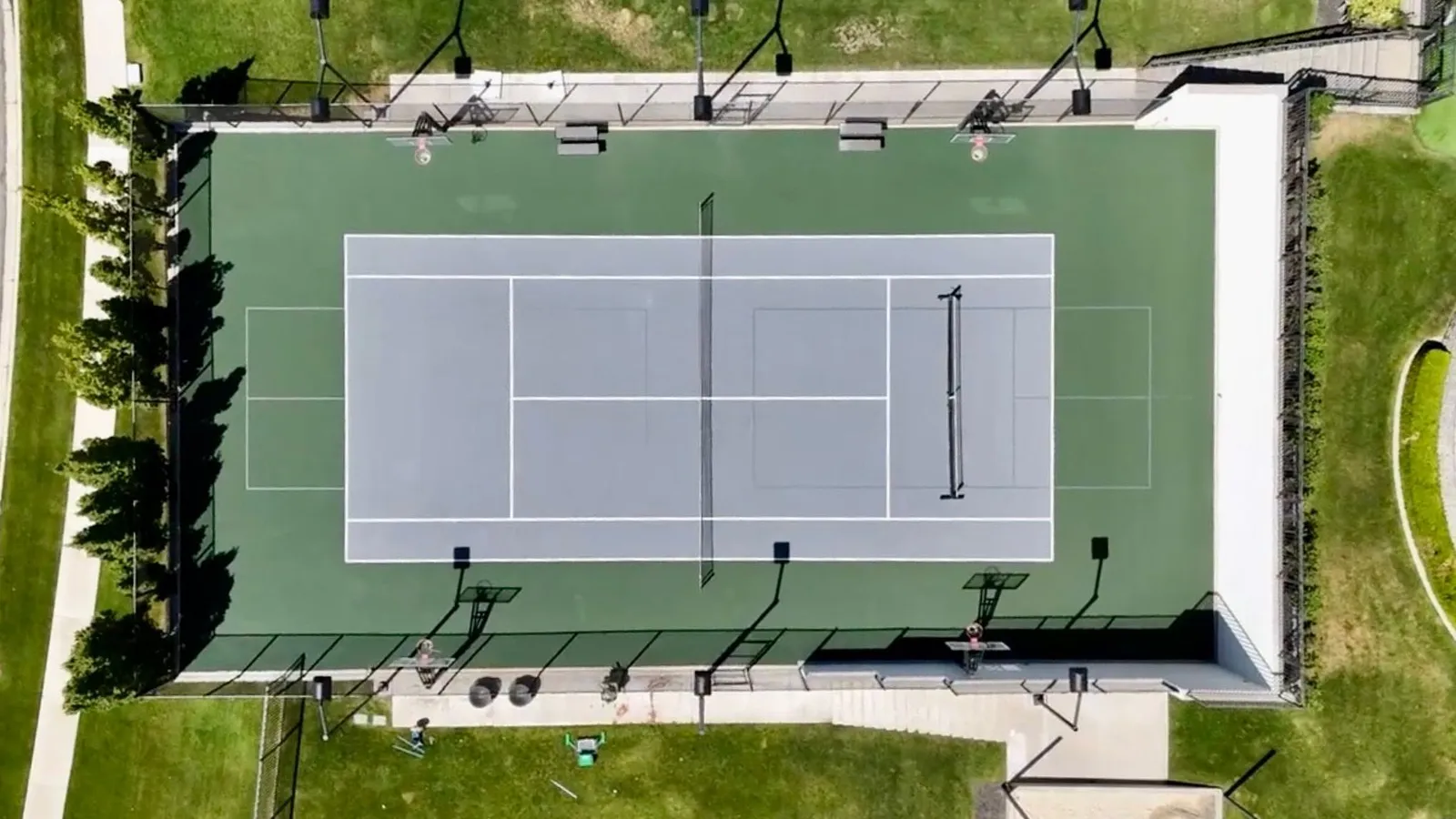
Worn, faded green tennis court before resurfacing, aerial view
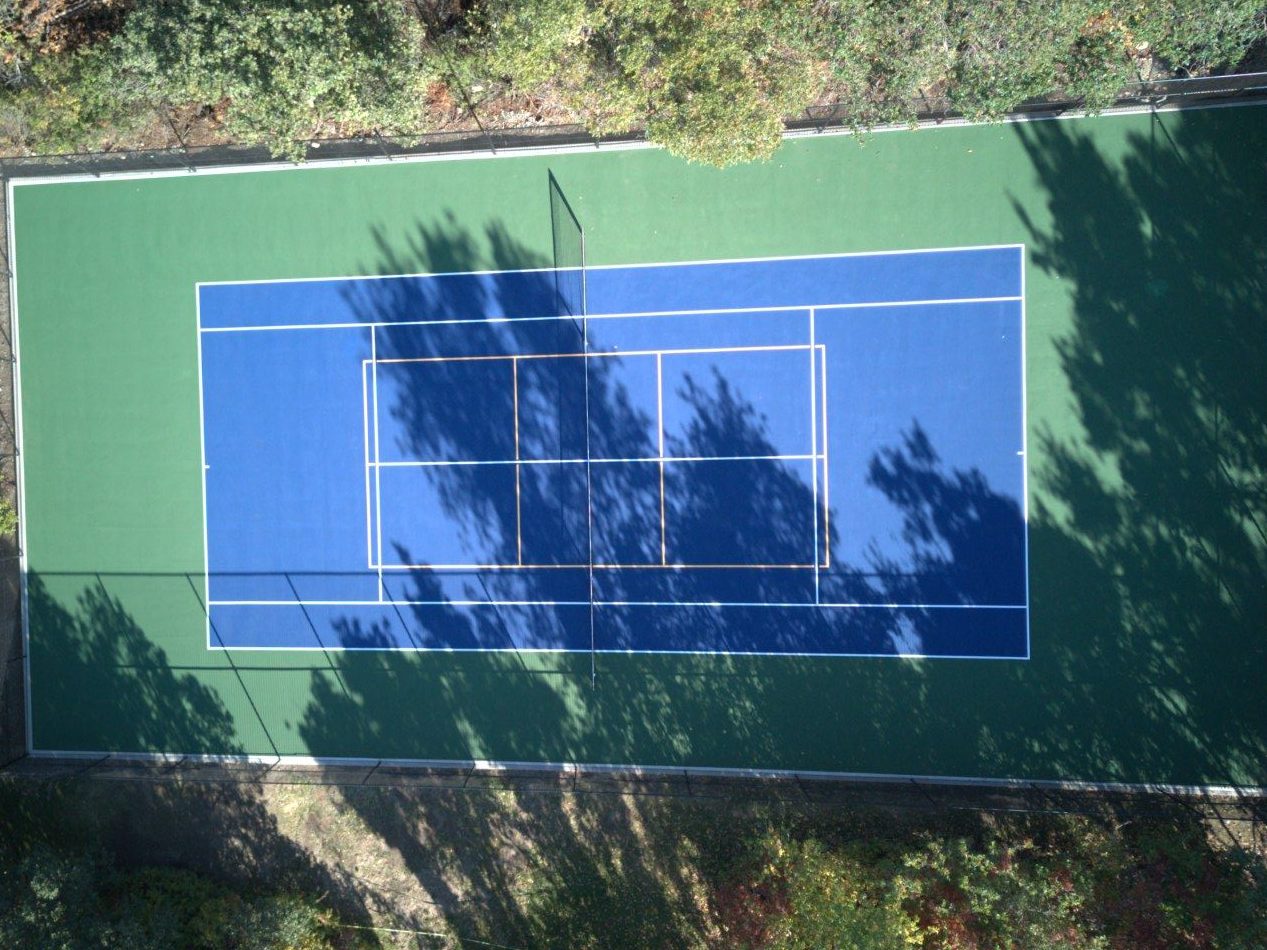
The same tennis court after resurfacing by Grit Courts, with fresh blue and green color and new lines
BeforeAfter
Drag to compare before and after.

Systems

Surface options

Hard acrylic

Multi-layer acrylic with durable color and consistent bounce, the standard for tennis and pickleball that see regular play.

Cushioned systems

Impact-absorbing layers under the color coats for a softer feel and less joint stress on longer sessions.

Texture & fast-dry

Coatings tuned for traction and quicker water shed so courts come back online sooner after weather.

Scope

What’s included

Most resurfacing jobs take 2-4 days on site depending on weather and coat count. Play usually returns in a few days; full cure builds over the following weeks.

  • Full surface assessment and crack map
  • Prep, patching, and adhesion primer
  • Multi-layer acrylic or cushioned system
  • Color options and optional custom zones
  • Regulation line work for your sport(s)
  • Care guide and warranty paperwork

Surfaces

Superior products, personalized attention

We only use the best products available on our courts. Acrytech is the trusted court surface of the Professional Pickleball Association (PPA) for a reason. We want your court to feel, look, and perform just like a professional tournament court!

FAQ

Resurfacing questions

All court FAQs →

Do I need to resurface my court?

You may need resurfacing when color and texture are worn but the slab is still structurally sound, drainage is acceptable, and the main problem is the acrylic sport surface on top. Faded coating, soft grip, or tired lines are common triggers. Heaving slabs, chronic pooling, or widespread base failure usually point to repair or rebuild instead of coating alone.

How do I know when to resurface my court?

Look for faded or chalky color, surface cracks that need proper repair before new coats, peeling or delamination, slick or inconsistent grip, and standing water in low spots. If cracks run through the concrete itself, edges lift, or the slab rocks, the issue is often below the coating and needs more than resurfacing.

Is it better to resurface or redo my court?

Resurfacing is the better path when the slab is sound and wear is mostly in the top coats. Redoing the court (major slab work or replacement) makes sense when the pavement is severely cracked, heaved, or settling, when chronic pooling comes from major slope problems, or when the base was never built for court loads. Resurfacing over a bad foundation wastes money because new coating will not fix movement underneath.
Licensed and insured: view our contractor's license and certificate of insurance.

Ready to refresh the court?

We’ll walk the surface, recommend the right system and colors, and send a clear proposal with scope and schedule.

Get a quote