Do I need to resurface my court?
How to tell whether your pickleball, basketball, tennis, or multi-sport court needs fresh coatings or work on the slab underneath.
Updated October 5, 2026
TL;DR: If the slab is flat and structurally sound and the problem is worn acrylic, fading, or bad lines, resurfacing is usually the right fix. If you see heaving, structural slab cracks, chronic pooling, or base failure, repair or rebuild may be smarter than a new coat alone. Grit Courts resurfaces and builds courts across Utah and the Wasatch Front.
A court takes sun, rain, freeze-thaw, and a lot of foot traffic. Over time the playing surface stops looking sharp and can start affecting safety and play. Many courts only need resurfacing. Others need deeper repair or a full rebuild when the base has failed.
Grit Courts builds and resurfaces pickleball, basketball, tennis, and multi-sport courts across Utah. Below are common signs we look for on site and what they often mean for your next step. Start with our court resurfacing overview or contact us with photos.
Do I need to resurface my court?
Resurfacing fits when the slab is structurally sound, drainage is acceptable (or can be improved with localized work), and the main problem is the sport surface on top. If the pavement is moving, holding water across large areas, or crumbling, coating alone is rarely enough.
How do I know when to resurface my court?
Not every blemish means you need to tear out the slab. Still, these patterns are worth taking seriously before small issues spread.
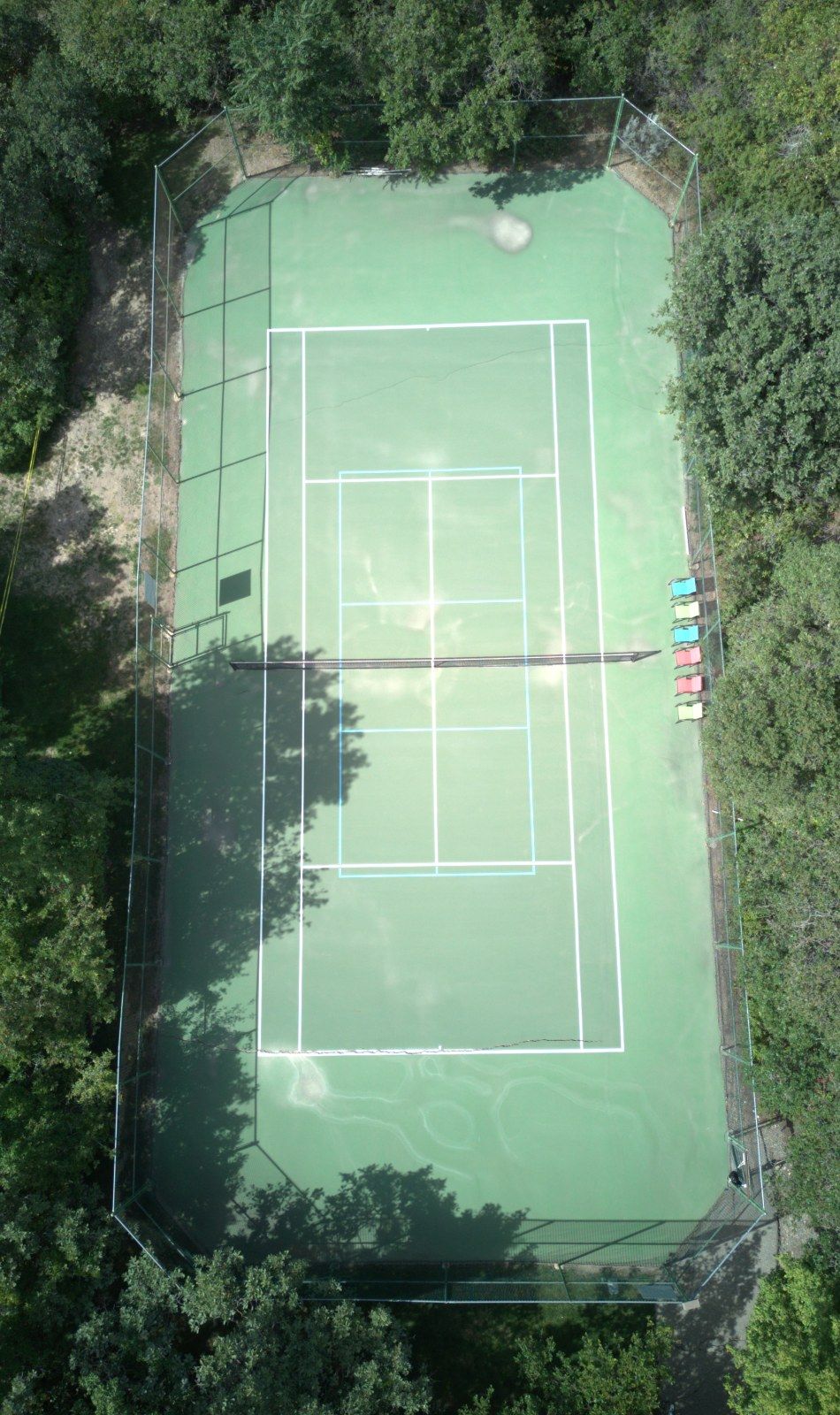
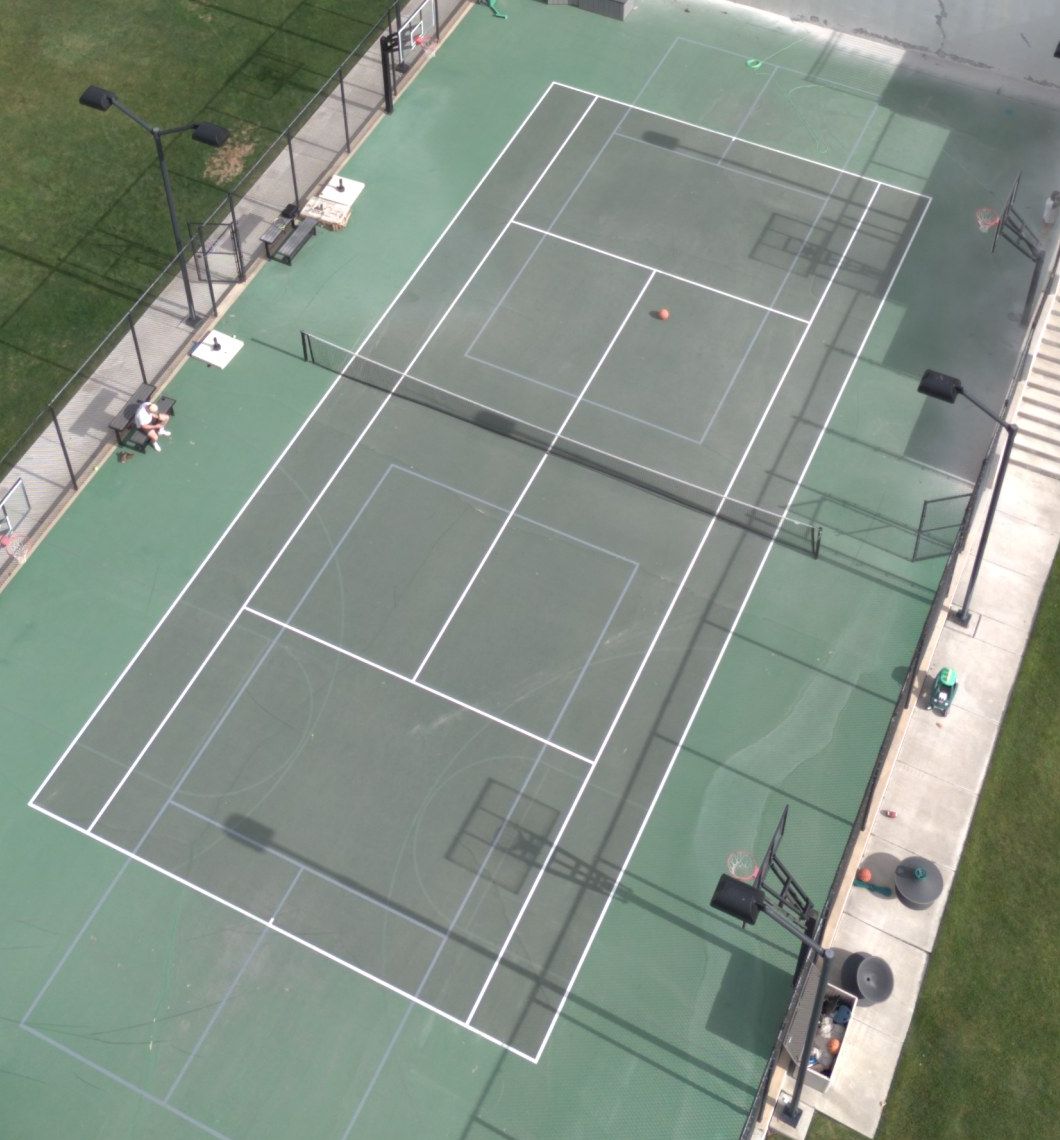
- Faded or worn color. Acrylic sport coatings are built for UV exposure, but color and texture do wear down. Chalky, patchy, or bare-looking areas often mean the top coats are thin and may not protect the surface underneath.
- Surface cracks. Hairline cracks in the coating are common on older courts. Wider cracks that open and close with seasons, or cracks that catch debris, usually need proper repair before new color goes on.
- Standing water and birdbaths. Low spots that hold water after rain slow drying, stain the court, and stress the coating. Drainage and slope problems can point to settlement or base issues if they keep getting worse.
- Peeling or delamination. Bubbles, flakes, or areas where the coating lifts away from the pavement mean adhesion has failed. That can happen from moisture, contamination, or age, and it rarely fixes itself with a quick touch-up.
- Slick or inconsistent grip. Mold, algae, worn texture, or oil and debris can make a court slippery. Sometimes a deep clean and targeted repair restore play; other times the surface layer is simply spent.
- Heaving or structural cracks. Edges that lift, slabs that rock, or cracks that run through the concrete itself are different from coating cracks. They suggest movement in the ground or a failing slab, not just a new paint job.
- Failing base. Soft spots, widespread crumbling, severe potholing, or a court that was built without proper compaction or drainage may need base work or replacement, not only new acrylic.
Is it better to resurface or redo my court?
Resurface when: The slab is structurally sound, drainage is OK or fixable locally, and wear is mainly in the acrylic sport surface.
Redo or rebuild when: You see severe slab cracks, heaving, settlement, chronic pooling from slope, or a base not built for court loads.
In between: Limited slab repair and drainage tweaks, then a full resurface.
Resurfacing over a bad foundation wastes money. If the slab is severely cracked, heaved, or settling, new coating will not fix the movement underneath. The same goes for chronic pooling caused by major slope problems.
Rebuild or major reconstruction can mean removing and replacing sections of concrete, regrading for drainage, or building a new slab on a corrected footprint. That is a bigger project than resurfacing, but it is the durable fix when the pavement itself is the weak link.

When does resurfacing make sense?
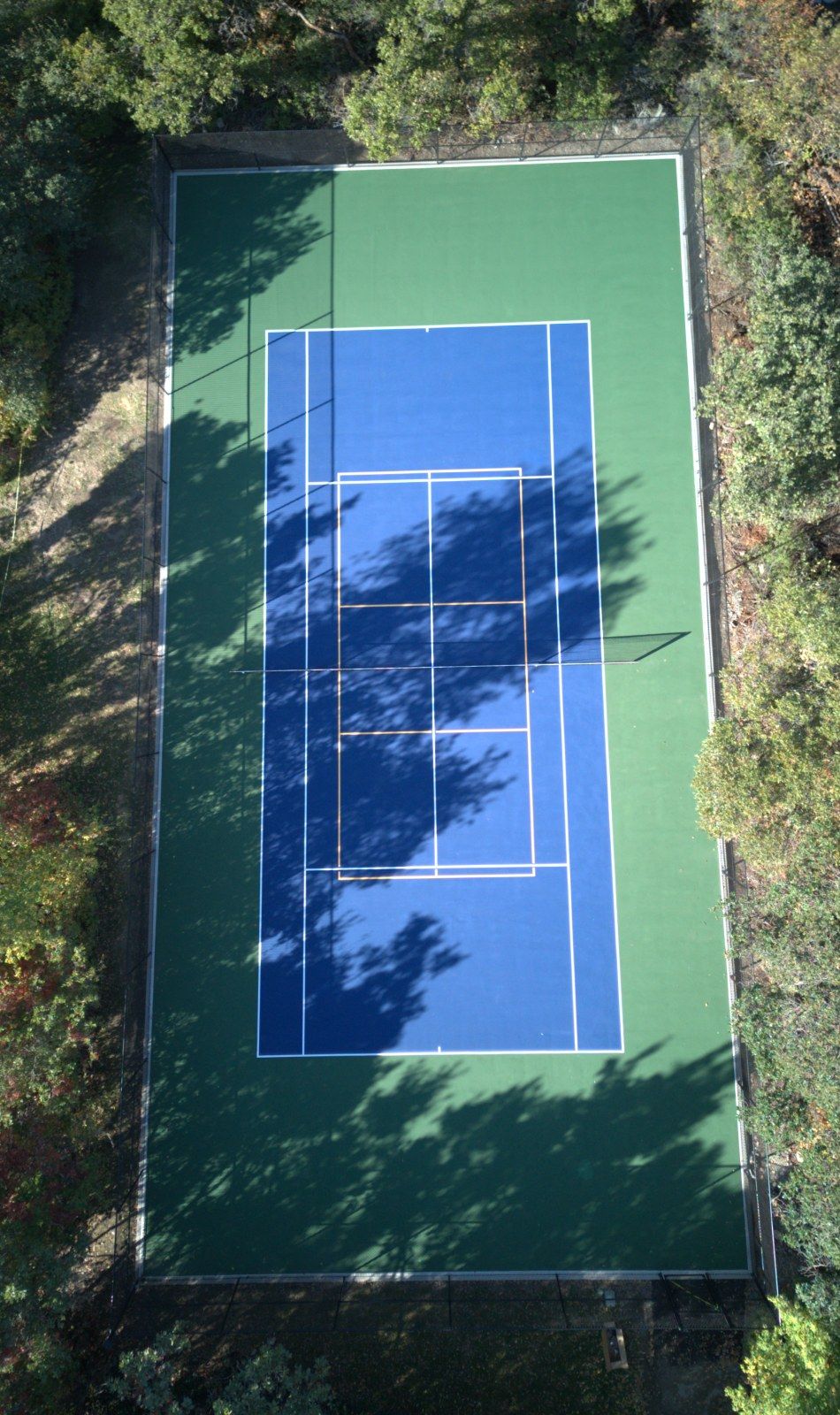
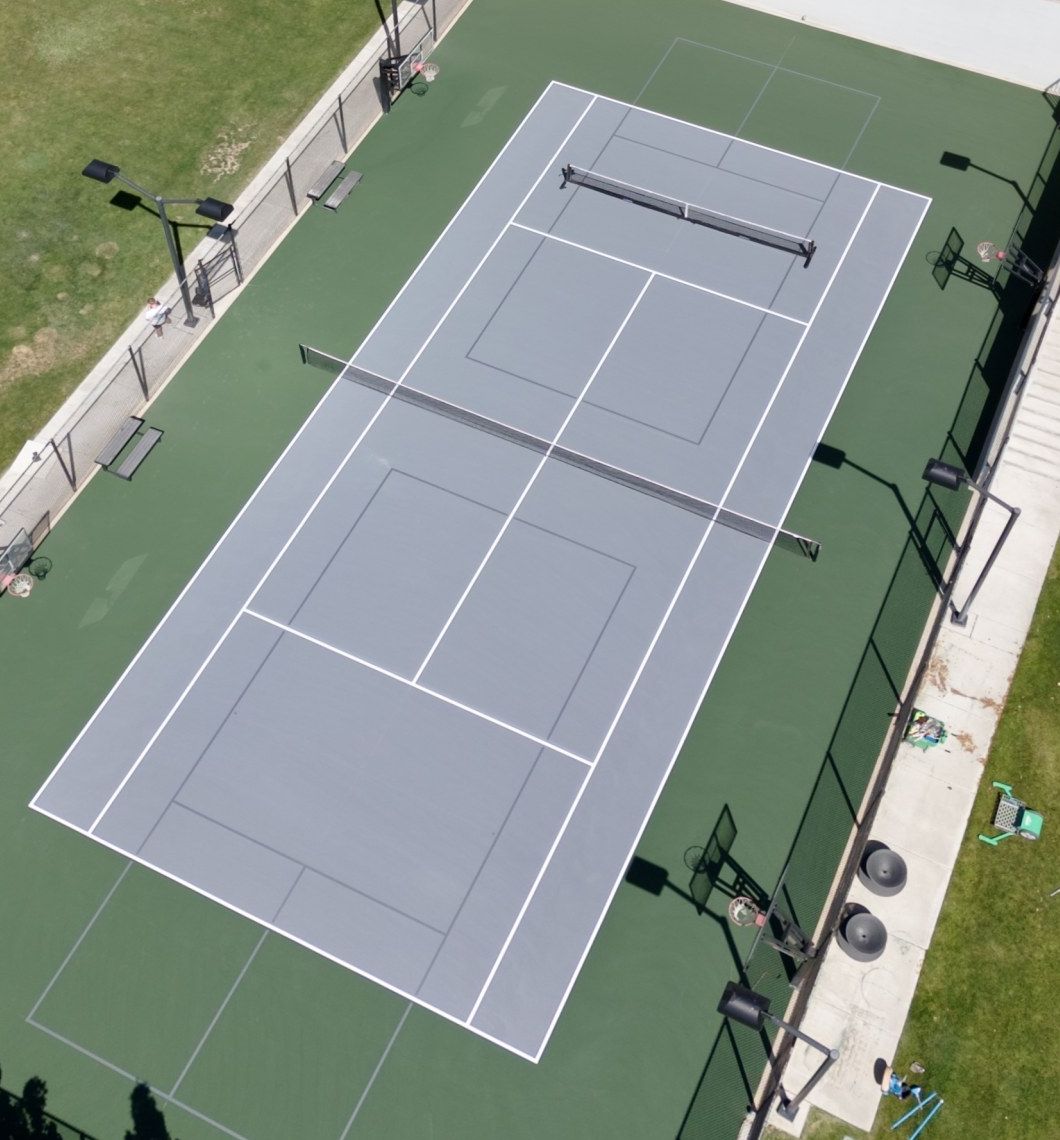
A typical resurfacing project starts with cleaning: pressure washing, mildew treatment where needed, and removing loose material. Active cracks get filled and bridged so they do not telegraph through the new coats. Then fresh acrylic layers go down in your chosen colors, followed by crisp game lines for pickleball, basketball, tennis, or a multi-sport layout.
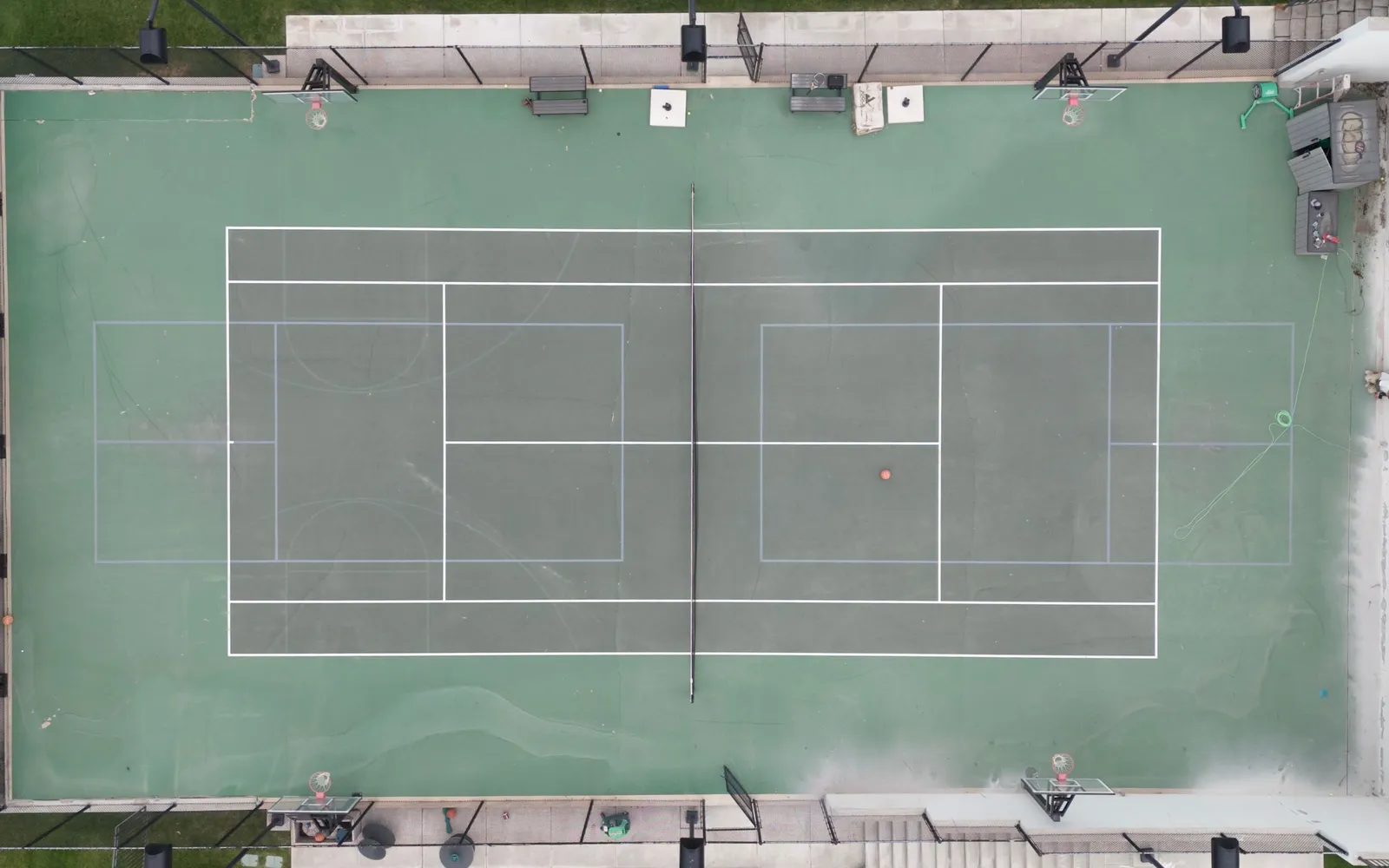
Homeowners and HOAs often choose resurfacing when the court still plays flat enough but looks tired, when grip has softened, or when they want updated colors and lines without replacing the entire pad. Schools and clubs do the same when the underlying pavement is in good shape but the coating cycle has run its course.

When is a rebuild the better path?
Sometimes the answer is in between: limited slab repair, drainage tweaks, then a full resurface. Photos help, but slope, crack depth, and how water moves across the court are hard to judge from the driveway alone.
How does Grit Courts fit in?
We work on courts across Utah: backyard pickleball pads, driveway basketball layouts, tennis courts, and shared multi-sport surfaces. Our crew handles prep, crack repair, acrylic systems, and line work, and we will tell you plainly if we think the slab needs more than a resurface.
Every lot is different: soil, trees, irrigation, and how the original court was built all change the recommendation. We walk the court with you, explain what we see, and outline options so you can choose resurfacing, repair-plus-resurface, or a rebuild path that matches your budget and how you want to use the space.
Ready to get started?
Reach out through our contact page for a free estimate. Share a few photos and the court size if you can. We will help you figure out whether resurfacing or rebuild is the right call.
Get a quote · Court resurfacing · Court construction · Court FAQs
Frequently asked questions
Do I need to resurface my court?
You may need resurfacing when color and texture are worn but the slab is still structurally sound, drainage is acceptable, and the main problem is the acrylic sport surface on top. Faded coating, soft grip, or tired lines are common triggers. Heaving slabs, chronic pooling, or widespread base failure usually point to repair or rebuild instead of coating alone.
How do I know when to resurface my court?
Look for faded or chalky color, surface cracks that need proper repair before new coats, peeling or delamination, slick or inconsistent grip, and standing water in low spots. If cracks run through the concrete itself, edges lift, or the slab rocks, the issue is often below the coating and needs more than resurfacing.
Is it better to resurface or redo my court?
Resurfacing is the better path when the slab is sound and wear is mostly in the top coats. Redoing the court (major slab work or replacement) makes sense when the pavement is severely cracked, heaved, or settling, when chronic pooling comes from major slope problems, or when the base was never built for court loads. Resurfacing over a bad foundation wastes money because new coating will not fix movement underneath.
What are signs my court needs attention?
Common signs include faded or worn color, surface cracks, standing water and birdbaths, peeling or delamination, slick or inconsistent grip, heaving or structural cracks, and a failing base with soft spots or crumbling pavement.
Can I resurface a multi-sport court?
Yes. Homeowners, HOAs, schools, and clubs often resurface when the court still plays flat enough but looks tired, when grip has softened, or when they want updated colors and lines for pickleball, basketball, tennis, or a multi-sport layout.
What is an in-between option besides full rebuild?
Sometimes the answer is limited slab repair, drainage tweaks, then a full resurface. Photos help start the conversation, but slope, crack depth, and how water moves across the court are hard to judge without seeing the court.
How does Grit Courts help with resurfacing or rebuild decisions?
Grit Courts works on courts across Utah: backyard pickleball pads, driveway basketball layouts, tennis courts, and shared multi-sport surfaces. We handle prep, crack repair, acrylic systems, and line work, and we will tell you plainly if we think the slab needs more than a resurface.